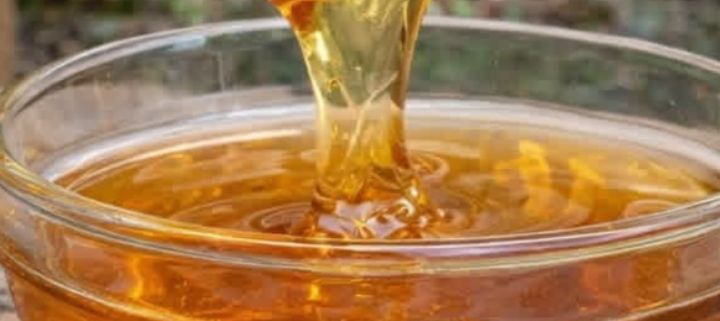
Understanding Chronic Kidney Disease and Why Support MattersCKD involves gradual loss of kidney function over time, often linked to factors like diabetes, high blood pressure, or inflammation. As kidneys struggle to filter waste, people may face risks of fluid buildup, electrolyte imbalances, and fatigue. Lifestyle choices can influence progression—research shows that reducing oxidative stress and supporting overall wellness may help maintain function longer.But here’s the key: no single food or supplement replaces medical care. Evidence points to a combination of balanced habits offering the best support.What Makes Honey Stand Out? Its Natural CompoundsHoney contains antioxidants like polyphenols and flavonoids, along with anti-inflammatory elements. Some lab and animal studies suggest these may help protect cells from damage.For example, certain research on animal models of toxin-induced kidney stress has noted that honey intake was linked to reduced inflammation markers and better preservation of kidney structure. Other preclinical work exploring high-fat diet effects found polyphenol-rich honey associated with improved gut microbiota and lower markers of kidney strain.However, human studies remain limited and mixed. Reviews note potential for honey in managing infections (like in wound care for CKD patients), but results vary, and no strong evidence shows it dramatically changes CKD progression or avoids dialysis.How Honey Might Fit Into Kidney-Friendly EatingIf you’re considering honey as part of a broader plan, moderation is essential—especially since CKD often requires watching sugar and potassium intake.Studies indicate that small amounts of natural sweeteners like honey might offer minor benefits over refined sugar due to their additional compounds, but always check with your doctor or dietitian first.Practical Tips to Support Kidney Health NaturallyHere are evidence-informed habits that many kidney care experts recommend incorporating:Stay hydrated wisely — Proper fluid intake helps kidneys flush toxins; aim for what your doctor advises based on your stage.Focus on anti-inflammatory foods — Include berries, leafy greens, and omega-3 sources like fish to combat oxidative stress.Manage blood pressure and sugar — Regular monitoring and balanced meals support kidney workload.Limit processed foods — Reduce sodium, phosphorus, and additives that can strain kidneys.Incorporate gentle antioxidants — Foods rich in polyphenols (like certain honeys, fruits, or teas) may contribute modestly to overall wellness.A Simple Daily Routine to Try (With Doctor Approval)Start your day with a glass of water to support hydration.Choose whole foods for meals—vegetables, lean proteins, and limited fruits.If using honey, opt for 1 teaspoon in tea or yogurt as a natural sweetener alternative (monitor blood sugar if diabetic).Walk or do light activity daily to aid circulation and weight management.Track how you feel and discuss changes with your healthcare team.But that’s not all—small consistent steps often add up more than one big change.Comparing Common Sweeteners for Kidney SupportSweetener Sugar Content Potential Benefits Considerations for CKDRefined Sugar High None notable Can spike blood sugar, add caloriesArtificial Sweeteners Low/Zero Low calorie Some may affect gut or need limitsHoney (raw/natural) Moderate Antioxidants, anti-inflammatory hints Potassium/sugar watch; use sparinglyMaple Syrup Moderate Some minerals Similar sugar concernsThis table highlights why moderation and personalization matter.What the Research Tells Us About Natural Kidney SupportAnimal studies have explored how polyphenol-rich foods, including some honeys, might influence gut health, inflammation, and markers like creatinine or oxidative stress. One area of interest is how these compounds could interact with microbiota to ease metabolic strain on kidneys.Human evidence is emerging but not conclusive—reviews emphasize the need for more high-quality trials before broad recommendations.Wrapping Up: Building a Kidney-Supportive LifestyleSupporting kidney health involves a holistic approach: balanced nutrition, regular check-ups, blood pressure control, and staying active. While honey’s natural properties make it intriguing as part of an antioxidant-rich diet, it is not a standalone solution for advanced CKD or dialysis avoidance. Focus on sustainable habits that align with your doctor’s guidance.FAQCan honey replace medications for kidney issues? No—honey is a food, not a treatment. Always follow prescribed plans and consult professionals before adding anything new.Is all honey the same for health support? Variations like Manuka or polyphenol-rich types show more promise in studies due to higher compound levels, but evidence is preliminary. Raw, unprocessed options may retain more benefits.How much honey is safe if I have CKD? It depends on your stage, blood sugar, and potassium needs—often 1 teaspoon or less daily, if approved. Too much sugar can impact overall health.Disclaimer: This article is for informational purposes only and not medical advice. Chronic kidney disease requires professional management. Always consult your doctor or a registered dietitian before making dietary changes, especially with advanced stages or dialysis. Individual results vary, and no food guarantees specific outcomes.
Is Honey Good for Kidney Health? Exploring the Facts and Natural Support Strategies